A Beginner’s Guide to Strength Training in Your 30s and 40s
If you’re in your 30s or 40s and thinking about starting strength training, you’re not alone — but you might be overthinking it.

If you’re in your 30s or 40s and thinking about starting strength training, you’re not alone — but you might be overthinking it.
Maybe you’ve told yourself “I need to get fitter before I start” or worried about “injuring myself because I’m not as young as I was.”
Or maybe life has just got in the way — work, kids, stress — and now you’re not sure where to begin again.
Here’s the good news: it’s never too late to start, and you’re not starting from scratch — you’re starting from experience.
The key is learning to train smart, not just hard.
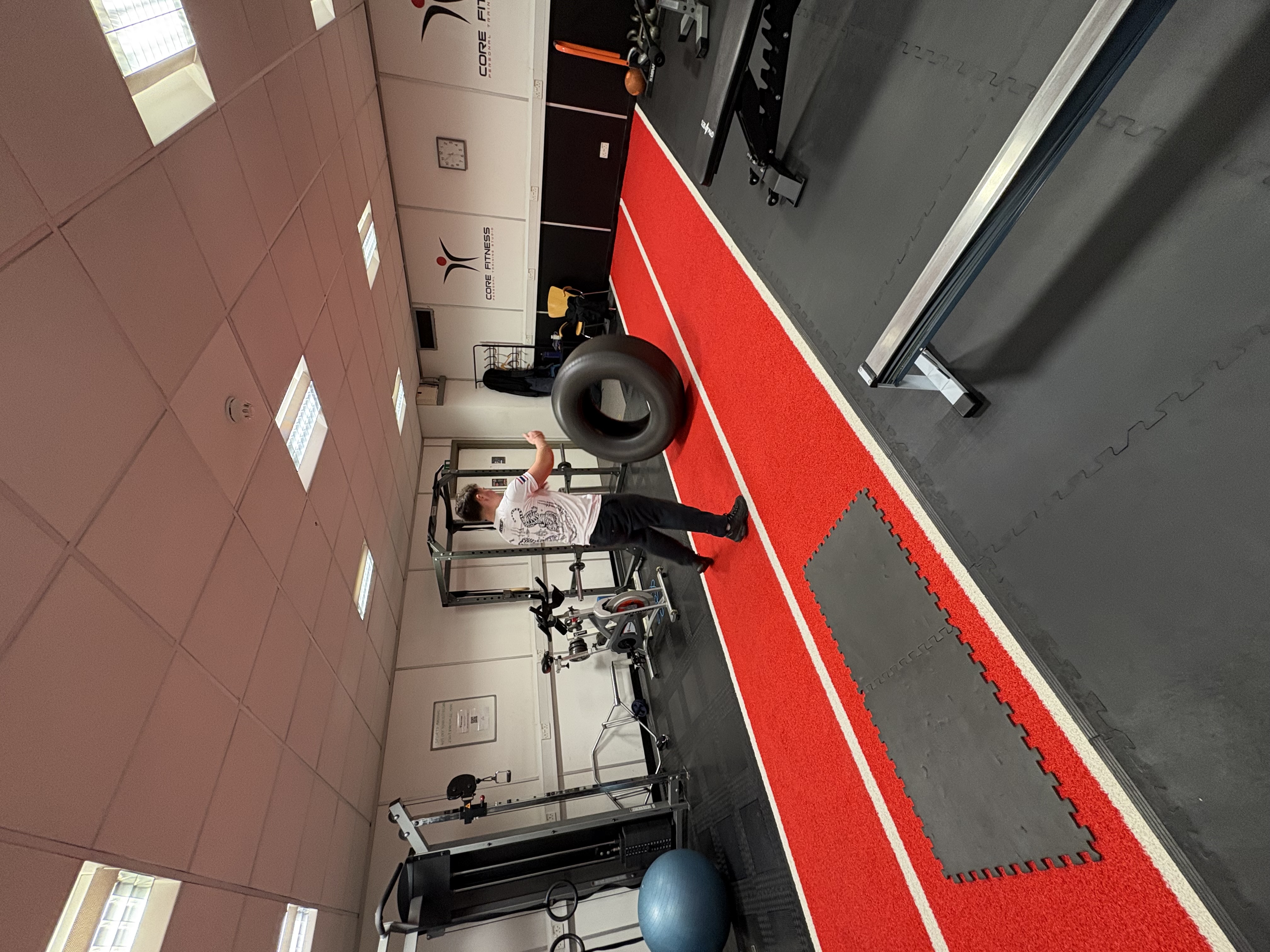
At Core Fitness Personal Training Studio in Leeds City Centre, I’ve coached hundreds of men and women to build strength safely and confidently, even after years away from exercise.
This guide will show you exactly how to do the same — without injury, confusion, or wasted time.
Why Strength Training Matters More Than Ever
As you move into your 30s and 40s, your body changes.
Muscle mass naturally begins to decline, metabolism slows, and busy routines mean you move less.
That combination makes it easier to gain fat, lose strength, and feel “tired all the time.”
Strength training reverses all of that.
It builds lean muscle, strengthens joints, boosts energy, improves posture, and helps you handle stress better — not just physically, but mentally too.
You’ll look better, yes — but more importantly, you’ll feel capable again.
That sense of confidence often spills into everything else: work, family, life.
How to Start Safely (And Actually Enjoy It)
When you first step into the gym — or a private training space like mine — the biggest priority isn’t lifting heavy weights.
It’s learning movement quality.
I start every new client with a simple principle: move well first, then load later.
Here’s what that looks like:
- Posture and movement screening: Before any programme begins, I assess how you move — hips, shoulders, spine, knees. Small issues here can turn into big problems later.
- Foundation exercises: We start with bodyweight and basic movement patterns — squats, hinges, pushes, pulls — to establish control and coordination.
- Controlled tempo: Slowing the movement down builds awareness, reduces injury risk, and makes lighter weights surprisingly effective.
- Gradual progression: Once your body moves well, we add resistance and refine technique.
Training this way builds confidence quickly.
Within a few weeks, most people realise they’re not “too old” or “too unfit” — they just needed the right start.
Progressive Overload — Explained Simply
You’ve probably heard the term progressive overload, but it sounds more complicated than it is.
Here’s the simplest way to think about it:
Every time you train, give your body a reason to adapt — just a little more than last time.
That might mean:
- Adding 1–2 kg to your lift
- Doing one more rep
- Reducing rest slightly
- Improving your form or control
These small, consistent improvements are what drive big changes.
They also make training motivating — because you can measure progress even before your reflection changes.
At Core Fitness, I track every client’s progress — weight, reps, sets, strength ratios, even movement quality.
This structure ensures we move forward safely and predictably, without ever guessing.
To learn more about how I work with clients one-to-one, visit my Personal Trainer Leeds City Centre page.
Why Full-Body Training and Compound Lifts Work Best
When time is limited — and for most adults it is — you need efficiency.
That’s why I design programmes around full-body training and compound lifts.
These movements train multiple muscle groups at once, improving coordination, strength, and calorie burn in less time.
A full-body session might include:
- Squat or leg press – for legs and core
- Row or pull-down – for back and posture
- Chest press or press-up – for upper-body strength
- Hip hinge or Romanian deadlift – for glutes and hamstrings
- Core stability work – for balance and protection
Two to three sessions per week is enough to make real progress.
More isn’t better — consistency is.
The reason this approach works so well for people in their 30s and 40s is simple: it balances stimulus and recovery.
You train your whole body evenly, strengthen joints, and avoid the “overuse” injuries that come from body-part splits or random classes.
Real Results from Real People
Here are a few examples from my studio — all completely anonymised, but 100 % real:
- Steve, 41, desk-based job: came in with constant lower-back pain and no gym confidence.
Within six weeks of structured full-body training and soft-tissue work, the pain was gone, posture improved, and he was lifting over his own bodyweight in squats. - Matt, 38, busy parent: struggled with time and motivation.
We trained twice per week, focusing on compound lifts and short conditioning circuits.
After three months, down 6 kg of fat, stronger than ever, and finally enjoyed exercise again. - Danny, 45, first-time lifter: worried about shoulder pain.
With mobility work, progressive loading, and sports massage between sessions, he built strength safely — now pressing overhead pain-free and sleeping better than in years.
These stories aren’t about extremes — they’re about consistency, structure, and support.
Common Mistakes to Avoid
- Skipping the basics — jumping straight into advanced exercises before mastering form.
- Neglecting recovery — training hard but sleeping poorly or ignoring soft-tissue care.
- Lack of structure — guessing workouts each week instead of following a progressive plan.
- Comparing yourself to others — your only competition is yesterday’s version of you.
Getting stronger isn’t about ego — it’s about self-respect.
Your goal is to build a body that serves your life, not one that breaks down from it.
How I Coach Beginners at Core Fitness
When clients train with me, every detail is covered:
- Private environment – no crowds, no waiting, no intimidation.
- Structured training plan – built around your goals, schedule, and recovery.
- Coaching and accountability – I track every session so you always know you’re progressing.
- Sports massage integration – reduces soreness, improves mobility, and keeps you training consistently.
This approach takes the guesswork out of training.
It gives you structure, confidence, and results — safely.
Final Thoughts: The Best Time to Start Is Now
You don’t need to be younger, fitter, or “ready.”
You just need to start.
Your 30s and 40s aren’t the beginning of decline — they’re the start of your strongest years if you train smart.
Build strength. Move better. Feel capable again.
Because when you invest in your body now, you’ll thank yourself every single year that follows.
💪 Start Your Strength Journey in Leeds
If you’re ready to train in a completely private environment — with expert coaching and no distractions — book your free consultation today at Core Fitness Personal Training Studio in Leeds City Centre.
And when it comes to recovery, I also provide sports massage in Leeds right here in the studio.

FAQS
Is strength training safe to start in your 30s or 40s?
Yes, strength training is safe to start in your 30s or 40s when it is introduced properly. The key is to focus on good technique, controlled movement, appropriate weights, and gradual progression rather than jumping straight into heavy lifting.
How many times per week should beginners strength train?
For most beginners, two to three strength training sessions per week is enough to make noticeable progress. Full-body workouts work especially well because they train all the major muscle groups efficiently while still allowing enough time for recovery.
Do I need to get fitter before starting personal training?
No, you do not need to get fitter before starting personal training. A good personal trainer will meet you at your current level, assess how you move, and build a programme around your ability, goals, and confidence. The purpose of personal training is to help you start safely, not to judge where you are now.
Ready to see real progress in your fitness goals?
Read more about my approach to body transformations
For more information check out my 1-on-1 personal training packages here:
.png)

